84 Results for "

Pulsatilla cernua (Thunb.) Bercht. et Opiz.

" in MedChemExpress (MCE) Product Catalog:
Products (84)

84 Results for "Pulsatilla cernua (Thunb.) Bercht. et Opiz." in MCE Product Catalog:

32
32 Publications Verification
Cat. No.: HY-N0055
CAS No.: 327-97-9
Synonyms: 3-O-Caffeoylquinic acid; Heriguard; NSC-407296
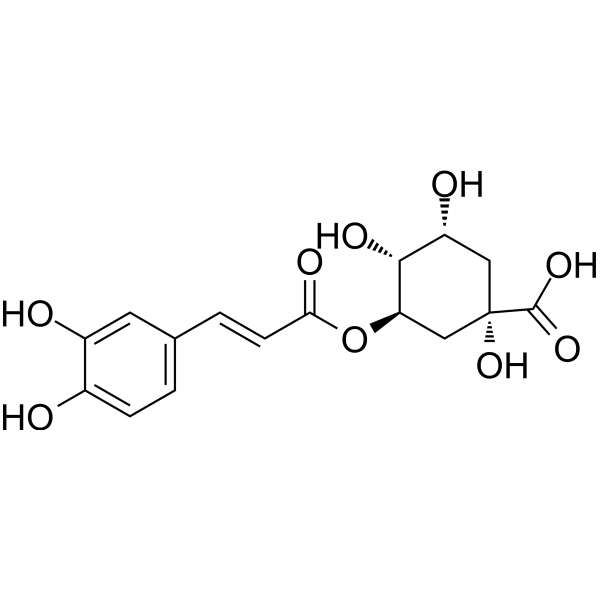
Chlorogenic acid is a major phenolic compound in Lonicera japonica Thunb. It is an orally active antioxidant activity, antibacterial, hepatoprotective, cardioprotective, anti-inflammatory, antipyretic, neuroprotective, anti-obesity, antiviral, anti-microbial, anti-hypertension compound .
8
8 Cited Publications
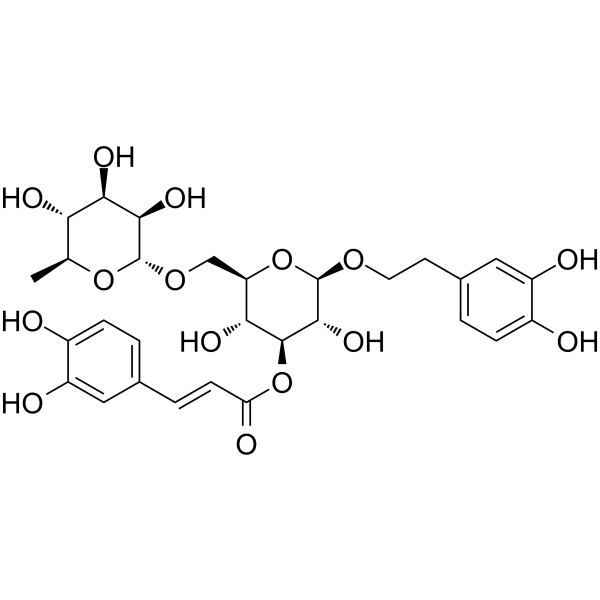
Cat. No.: HY-N0029
CAS No.: 81525-13-5
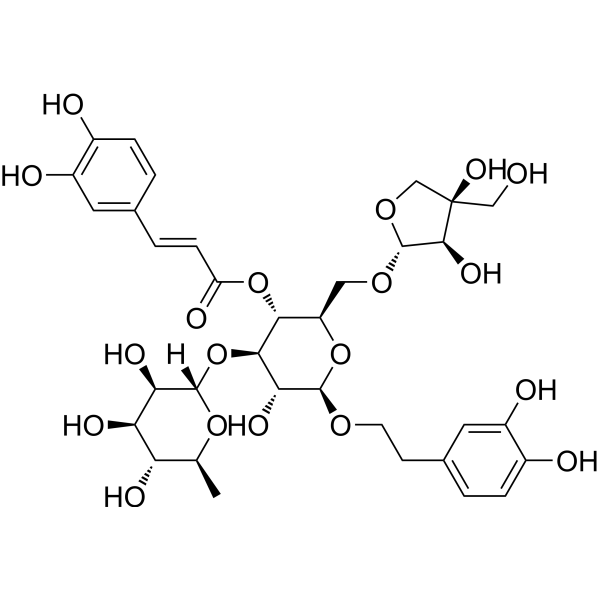
Forsythoside B is a phenylethanoid glycoside isolated from Forsythia suspensa (Thunb.) Vahl, a Chinese folk medicinal plant for treating inflammatory diseases and promoting blood circulation. Forsythoside B could inhibit TNF-alpha, IL-6, IκB and modulate NF-κB.
7
7 Cited Publications
Cat. No.: HY-N0228
CAS No.: 120-08-1
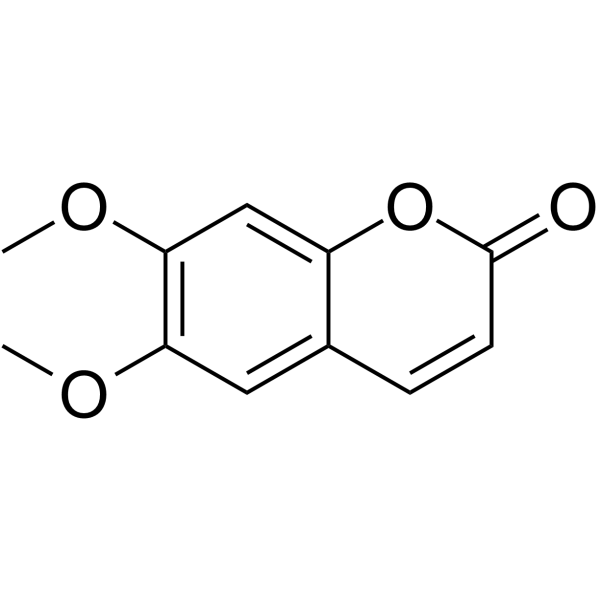
Scoparone is isolated from Artemisia capillaris Thunb., has anticoagulant, vasorelaxant antioxidant, anti-inflammatory activities .
5
5 Cited Publications
Cat. No.: HY-N0205
CAS No.: 129741-57-7
Synonyms: Anemoside B4
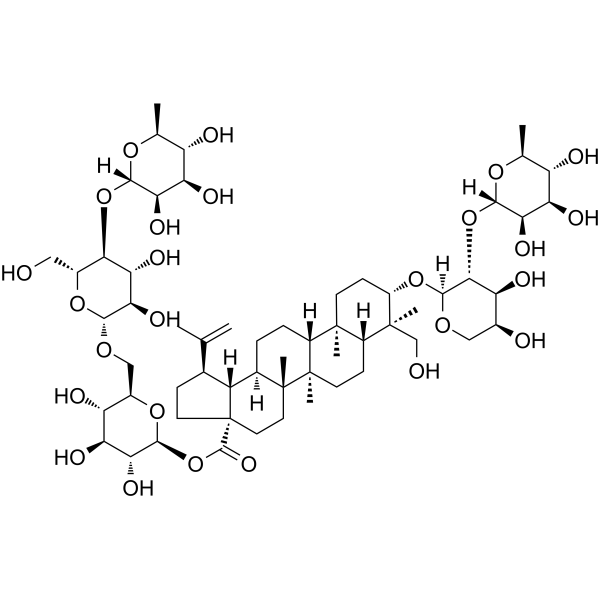
Pulchinenoside C (Anemoside B4) is Pulsatilla koreana Nakai that have many numerous biological effects in vitro, including enhancing hypoglycemic, anti-tumor, neuroprotective and anti-angiogenic activity.
3
3 Cited Publications
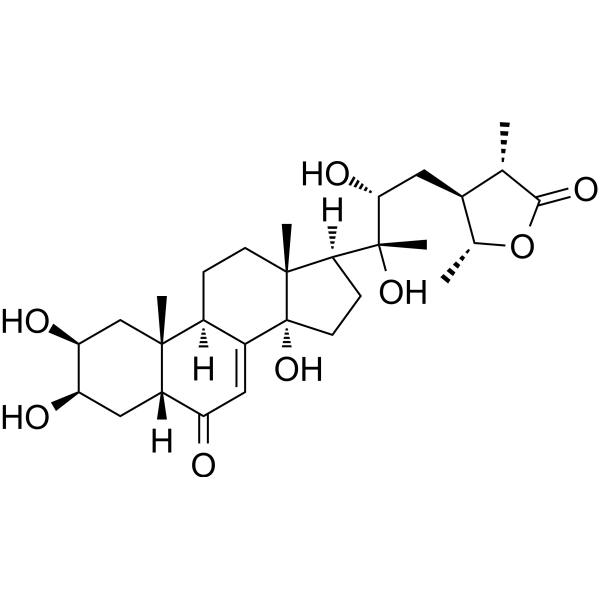
Cat. No.: HY-N0211
CAS No.: 17086-76-9
Cyasterone, a natural EGFR inhibitor, mainly isolated from Ajuga decumbens Thunb (Labiatae). Cyasterone manifests anti-proliferation effect by induced apoptosis and cell cycle arrests. Cyasterone may serves as a therapeutic anti-tumor agent against human tumors .
1
1 Cited Publications
Cat. No.: HY-N0834
CAS No.: 68027-15-6
Synonyms: SB365; Hederacolchiside A
Pulsatilla saponin D (SB365), isolated from the root of Pulsatilla chinensis, is an anti-tumor agent .
1
1 Cited Publications
Cat. No.: HY-N6950
CAS No.: 106577-39-3
Hederacolchiside A1, isolated from Pulsatilla chinensis, suppresses proliferation of tumor cells by inducing apoptosis through modulating PI3K/Akt/mTOR signaling pathway . Hederacolchiside A1 has antischistosomal activity, affecting parasite viability both in vivo and in vitro .
1
1 Cited Publications
Cat. No.: HY-N8259
CAS No.: 83864-78-2
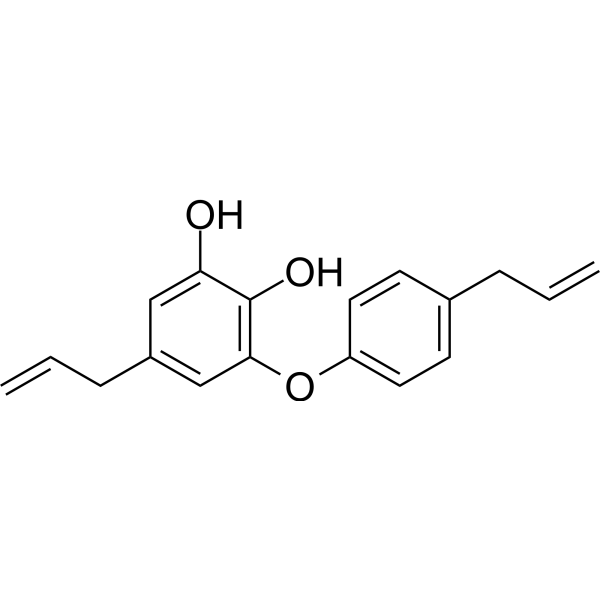
Obovatol is a biphenyl ether lignan isolated from the leaves of Magnolia obovata Thunb .
Cat. No.: HY-N5042
CAS No.: 1177581-50-8
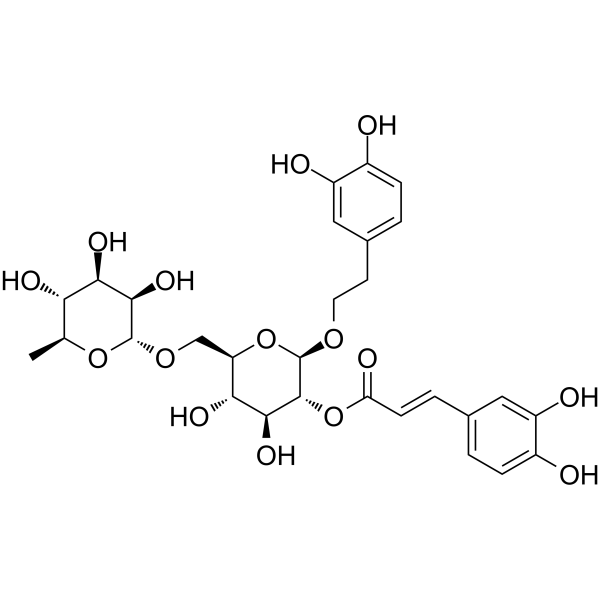
Forsythoside I is an orally active caffeoyl phenylethanoid glycoside (CPG) that can be isolated from Forsythia suspense (Thunb.) Vahl. Forsythoside I has anti-inflammatory activity and can exert a protective effect in a mouse model of acute lung injury .
Cat. No.: HY-N0398
CAS No.: 80681-44-3
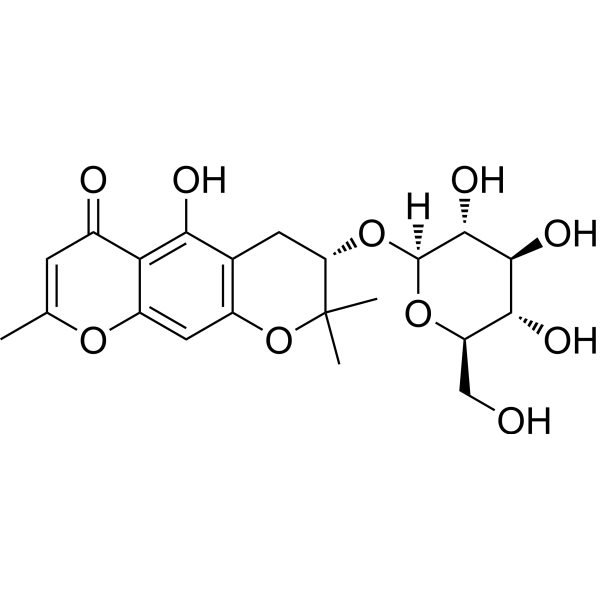
Sec-O-Glucosylhamaudol is a natural compound extracted from Peucedanum japonicum Thunb, decreases levels of μ-opioid receptor, with analgesic effect .
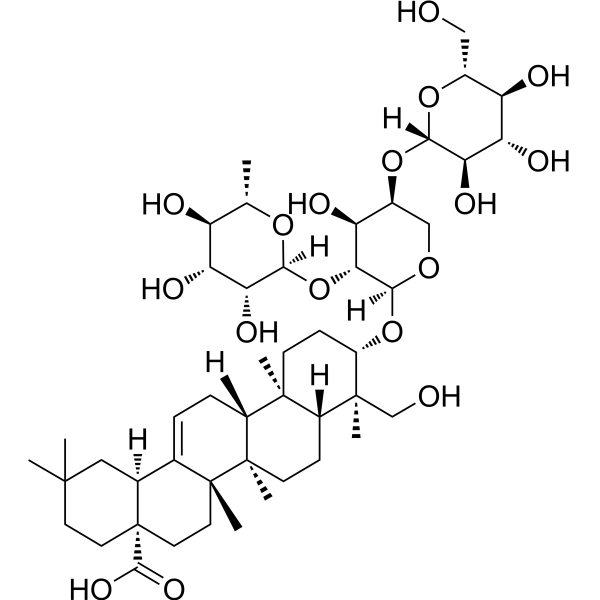
Cat. No.: HY-N0204
CAS No.: 129724-84-1
Synonyms: Anemoside A3
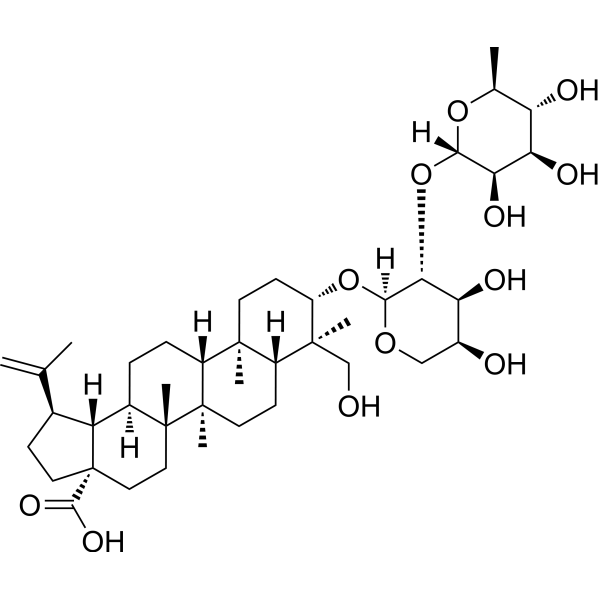
Pulchinenoside A (Anemoside A3) is an orally active triterpenoid glycoside found in the root of Pulsatilla chinensis. Pulchinenoside A has amti-inflammation, antitumor, antidepressant, immunoregulatory and neuroprotective efrects. Pulchinenoside A activates NF-κB/MAPK signaling pathway. Pulchinenoside A can induce relaxing effect in rat renal arteries. Pulchinenoside A can be used for the researches of experimental autoimmune encephalomyelitis, breast cancer, depression and renovascular hypertension .
Cat. No.: HY-N0566
CAS No.: 85999-40-2
Synonyms: Anemosapogenin
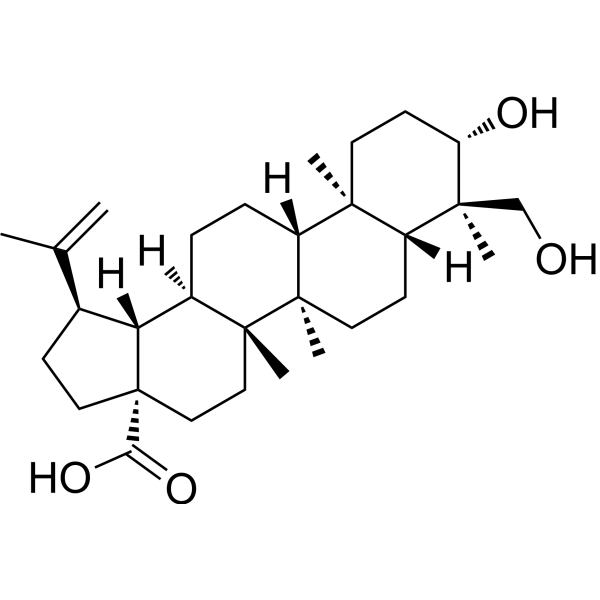
23-Hydroxybetulinic acid (Anemosapogenin) is an orally active triterpenoid with broad-spectrum anticancer activity. 23-Hydroxybetulinic acid reduces the levels of Bcl-2 and survivin, elevates the level of Bax, promotes the cleavage/activation of caspase-3 and caspase-9, and induces apoptosis via the endogenous mitochondrial pathway involving cytochrome C release and mitochondrial membrane potential disruption. 23-Hydroxybetulinic acid arrests the cell cycle at S and G1 phases, inhibits cancer cell proliferation, blocks the MAPK signaling pathway, regulates MMP2, and induces autophagic apoptosis by upregulating beclin-1. 23-Hydroxybetulinic acid inhibits the activity and efflux function of P-gp, increases the intracellular accumulation of chemotherapeutic drugs, and synergistically enhances cytotoxicity with Doxorubicin (HY-15142). 23-Hydroxybetulinic acid inhibits the phosphorylation and nuclear translocation of STAT6, blocks M2 macrophage polarization, and reduces M2 macrophage-mediated apoptosis resistance of colon cancer cells. 23-Hydroxybetulinic acid can be used in related studies on chronic myeloid leukemia, hepatocellular carcinoma, sarcoma 180, multidrug-resistant breast cancer, leukemia, Doxorubicin-induced cardiotoxicity, and colorectal cancer .
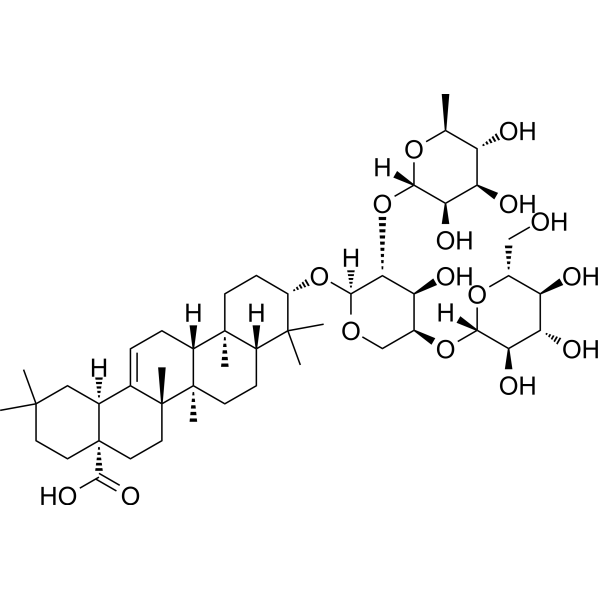
Cat. No.: HY-N15720
CAS No.: 39524-13-5
Synonyms: Pulsatilla saponin B
HN-saponin F (Pulsatilla saponin B) is an orally active triterpenoid saponin found in Lonicera macranthoides. HN-saponin F exerts anti-inflammatory activity by regulating inflammation-related pathways (e.g., inhibiting pro-inflammatory factor release). HN-saponin F is promising for research of inflammatory diseases .
Cat. No.: HY-N2887
CAS No.: 1354638-93-9
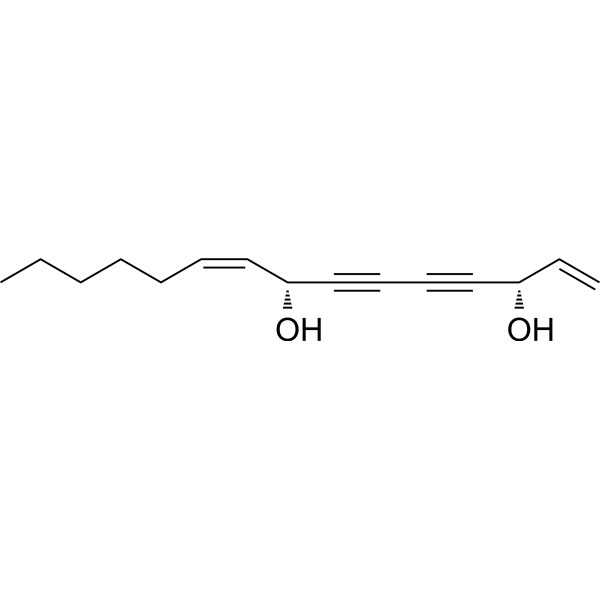
Araliadiol is a polyacetylenic compound isolated from the leaves of Aralia cordata Thunb. Araliadiol inhibits MCF-7 cells growth with an IC50 value of 6.41 μg/mL .
Cat. No.: HY-N4168
CAS No.: 123483-19-2
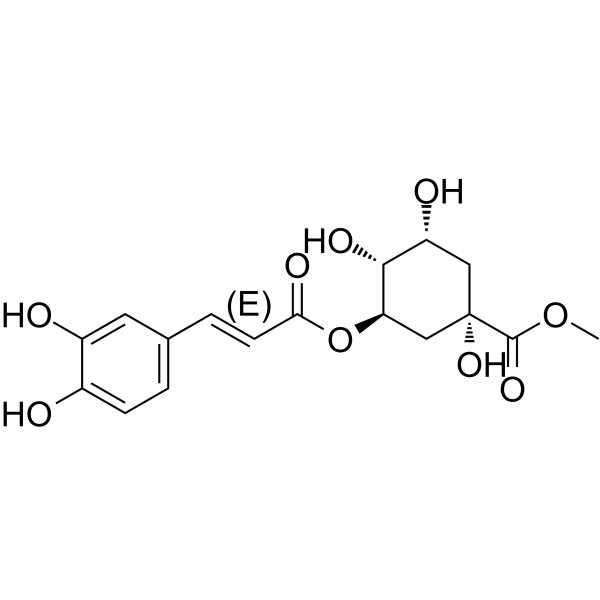
3-O-Caffeoylquinic acid methyl ester is a monocaffeoylquinic acid derivative and phenolic acid component, which can be found in the whole plant of Pyrrosia calvata (Backer) Ching and the flower buds of Lonicera japonica Thunb .
Cat. No.: HY-N1933
CAS No.: 485-91-6
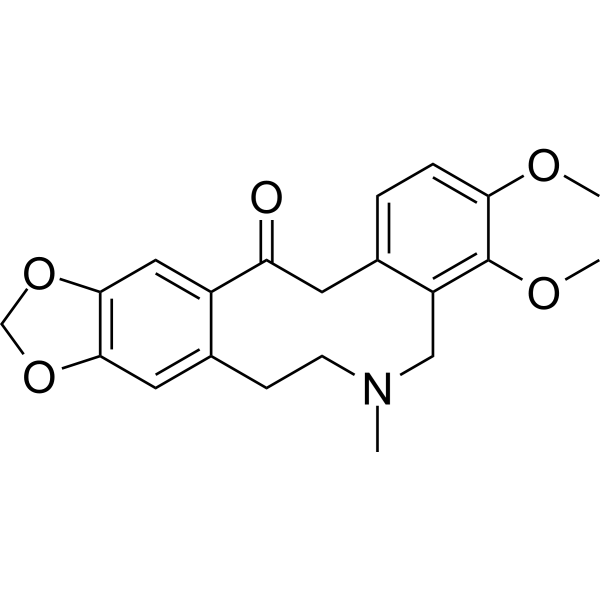
Allocryptopine, a derivative of tetrahydropalmatine, is extracted from Macleaya cordata (Thunb.) Pers. Papaveraceae. Allocryptopine has antiarrhythmic effects and potently blocks human ether-a-go-go related gene (hERG) current .
Cat. No.: HY-N0055R
CAS No.: 327-97-9
Synonyms: 3-O-Caffeoylquinic acid (Standard); Heriguard (Standard); NSC-407296 (Standard)
Chlorogenic acid (Standard) is the analytical standard of Chlorogenic acid. This product is intended for research and analytical applications. Chlorogenic acid is a major phenolic compound in Lonicera japonica Thunb. It is an orally active antioxidant activity, antibacterial, hepatoprotective, cardioprotective, anti-inflammatory, antipyretic, neuroprotective, anti-obesity, antiviral, anti-microbial, anti-hypertension compound .
Cat. No.: HY-N5043
CAS No.: 1178974-85-0
Forsythoside H, a caffeoyl phenylethanoid glycoside (CPG) isolated from the fruits of Forsythia suspense (Thunb.) Vahl, may possesses anti-inflammatory activities .
Cat. No.: HY-N7252
CAS No.: 486-55-5
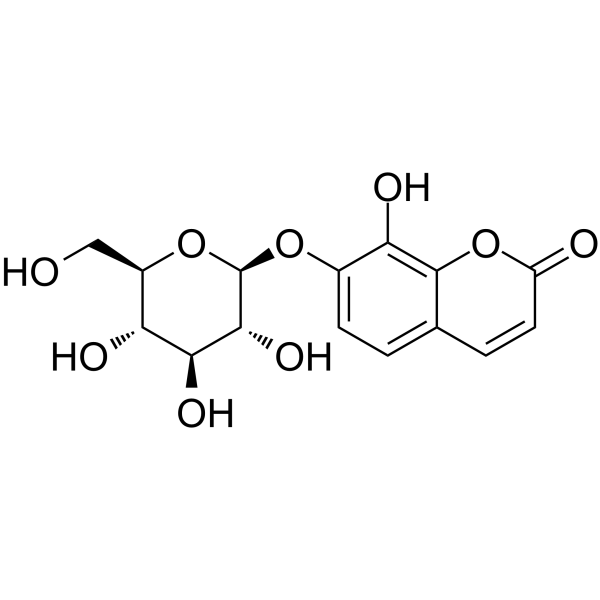
Daphnin is one of the major coumarin bioactive components with antibacterial activity. Daphnin is isolated from the whole herb of Daphne odora (Thunb.), which is a folk medicine in China for the relief of fever .
Cat. No.: HY-N0278A
CAS No.: 90921-11-2
Synonyms: (Rac)-Pulsatilla camphor; (Rac)-Anemonine
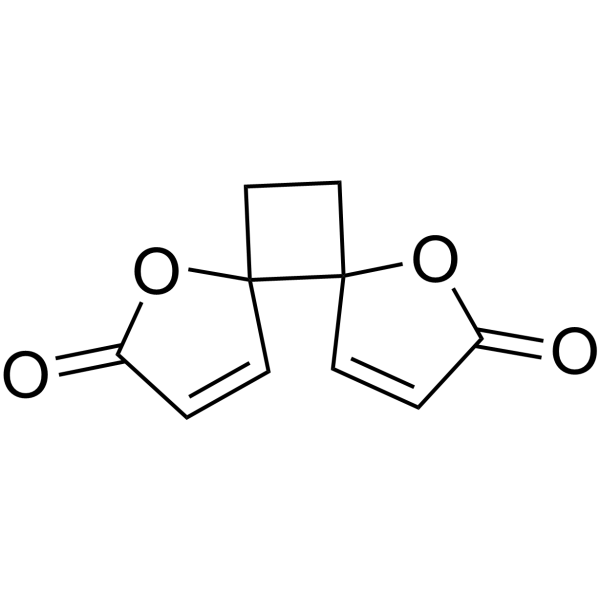
(Rac)-Anemonin ((Rac)-Pulsatilla camphor) is the diastereoisomer of Anemonin (HY-N0278). Anemonin (Pulsatilla camphor), a selective iNOS inhibitor, is also a PKC-θ inhibitor. Anemonin can significantly inhibit the translation or protein stability of PKC-θ protein. Anemonin also ameliorates dextran sodium sulfate-induced acute ulcerative colitis (UC) in mice. Anemonin can be used in the research of inflammation-related diseases .

